What can we help you with?
- How can I access the profit and loss report?
- HOW TO ACCESS BALANCE SHEET IN HALETALE
- HOW TO ACCESS DASHBOARD OVERVIEW
- HOW TO ACCESS HOMEOWNER/ INVESTOR REPORTING IN HALETALE
- HOW TO ACCESS INVOICE SECTION IN HALETALE
- HOW TO ACCESS KEY AND SECURITY DEPOSIT IN HALETALE
- HOW TO ACCESS PROFILE IN HALETALE
- HOW TO ACCESS PROFIT AND LOSS IN HALETALE
Featured Articles
Popular Articles
Newest Articles
Recently Updated Articles
Frequently Asked Questions
What features should Canadian property managers look for in 2026?
In 2026, the must-have features include automated rent collection, provincial lease compliance, maintenance tracking, financial reporting, digital signing, tenant & owner portals, and Canadian payment options such as Interac e-Transfer and PAD (pre-authorized debit).
Why do Canadian landlords prefer all-in-one software over multiple tools?
All-in-one platforms reduce the need for manual work and eliminate the risk of errors that occur when using disconnected software for accounting, payments, communication, and maintenance. They also provide real-time data visibility and higher efficiency.
Which property management software is best for small vs. large portfolios?
Most tools can serve both small and large portfolios, but Haletale offers strong scalability — small landlords can start with core modules and expand into advanced features like accounting automation, white-label branding, and CRM as their business grows.
Is Haletale only for property management companies?
No. Haletale is used by real estate investors, residential & commercial property managers, RV/resort operators, and even co-living operators. It adapts to various workflows rather than forcing the user to adopt a rigid process.
What makes Haletale different from other Canadian property management software?
Haletale stands out for its Canadian-focused features — rent escrow requirements, provincial lease templates, white-label portals, Interac payment automation, accountant-friendly books, and local compliance reminders — all built into one intuitive platform.
What is property‑management software and what does it do?
Property‑management software is a cloud‑based system designed to simplify the many administrative tasks involved in owning or managing rental property. According to property‑management experts, good software brings every part of the rental lifecycle into one digital platform – from advertising units and screening applicants to collecting rent, handling maintenance requests and generating financial reports. Modern systems like Haletale include tools for online rent payment, automated late‑fee enforcement, tenant screening, lease creation, maintenance tracking and even budgeting. By centralizing these tasks, property‑management software like Haletale reduces manual work, improves communication with tenants, and provides real‑time visibility into each property’s performance.
Who should use property‑management software?
Property‑management software like Haletale is useful for:
-
Landlords and property managers who oversee single‑family homes, multifamily complexes, student housing or commercial units. Haletale notes that managers often outgrow spreadsheets and need a central system to manage everything from maintenance to accounting. The platform is designed for portfolios of 50+ units, but smaller portfolios can benefit as well.
-
Real‑estate investors and homeowner associations that need transparent financial reporting, trust accounting and easy communication with stakeholders. Haletale’s advanced reporting module generates tenant reports, homeowner summaries and profit‑and‑loss statements, offering owners clear insights.
-
Small landlords or part‑time property owners who want to automate rent reminders and maintenance coordination without hiring additional staff. Industry guides explain that even landlords with only a few rentals can save time and reduce errors by using software that automates rent collection, tracks expenses and stores documents.
Is property‑management software worth it if I only manage a few rentals?
Yes. Even a small portfolio like 50 units demands recurring tasks such as rent collection, bookkeeping, maintenance coordination and lease renewals. Small landlords often rely on spreadsheets and phone calls, which are time‑consuming and error‑prone. External industry research notes that affordable software for small landlords includes features like online rent collection with auto‑reminders, expense and income tracking, document storage with e‑signatures and maintenance requests. Haletale’s home page makes a similar point: without a centralized system, managers “drown in repetitive tasks” and face financial uncertainty
By automating these processes, software reduces late payments and frees up time for growth. Haletale also offers flexible plans and mobile‑ready portals, making it practical for landlords who manage only 50 units.
What are the most important features of property‑management software?
When evaluating property‑management platforms, experts recommend focusing on the following features:
-
Online rent collection and payment automation – Tenants should be able to pay via credit/debit cards, bank transfers or Interac e‑Transfers, and the system should automatically categorize payments and send reminders. Haletale integrates with Stripe and Zumrails so tenants can pay by card or bank transfer and its payment‑solutions module supports Interac E‑Transfer automation and pre‑authorized debit with automatic rent reminders.
-
Maintenance management – Tenants need a portal to submit maintenance requests; managers need tools to coordinate with contractors, track progress and schedule recurring tasks. Haletale’s maintenance module centralizes requests, allows photos/notes, coordinates with vendors in real time and schedules routine maintenance tasks like garbage collection or lawn care. Tenants can check status updates through the portal.
-
Lease management and digital signatures – A good system offers reusable lease templates, automatic data merging and electronic signature capabilities. Haletale lets managers build professional lease agreements using templates and placeholders, customize them for local regulations, and have tenants sign electronically through its e‑signature platform. The platform also integrates with DocuSeal for secure digital document signing
-
Accounting and trust accounting – Built‑in accounting should handle invoicing, expense categorization and real‑time financial reporting. Haletale’s accounting engine automatically collects rent, posts invoices, and generates financial reports (tenant statements, homeowner reports and P&L statements). For trust accounting, Haletale segregates owner funds, tracks security deposits and calculates owner distributions with audit‑ready reports.
-
Budgeting, forecasting and reporting – Advanced systems provide budgeting and forecasting tools to plan future expenses and revenue. Haletale’s financial dashboard supports budgeting, forecasting, and ROI calculations, giving managers a birds‑eye view of cash flow and projected performance.
-
Tenant screening tools – Many platforms provide tools for running credit, criminal and eviction checks on applicants. Haletale’s terms and conditions reveal that the company offers a renter screening service: with tenant consent, Haletale obtains credit reports from third‑party agencies to generate a trust score and shares the score with property owners for decision‑making. This ensures landlords evaluate applicants using objective data while complying with privacy laws.
-
Communication and marketing – SMS/email reminders, tenant portals and CRM integrations improve communication with tenants and prospects. Haletale integrates with Twilio to send automated text messages for rent reminders and maintenance updates and with its own CRM to manage leads and nurture relationships
-
White‑label branding and mobile access – Branding the portal and mobile app with your company’s logo and domain name creates a professional experience. Haletale’s white‑label option lets managers customize colors, logos and even the domain, and provides a branded mobile app for tenants
Does property management software include a full accounting system and trust accounting?
Yes. Haletale’s platform includes a full accounting system that tracks rent payments, invoices and expenses, produces tenant and homeowner statements, and generates profit‑and‑loss reports. Its native trust‑accounting module goes beyond general bookkeeping: it segregates owner funds, automatically calculates owner distributions, tracks security deposits and generates audit‑ready trust‑account reports. These features eliminate the need for manual journal entries and ensure compliance with provincial and state trust‑accounting laws.
Does property management software integrate with QuickBooks or other accounting platforms?
Haletale integrates directly with QuickBooks. Haletale’s QuickBooks integration allows property managers to sync rent payments, invoices and expenses automatically, reducing manual data entry and ensuring accuracy. The software also integrates with payment gateways like Zumrails (bank transfers) and Stripe (credit/debit cards). Twilio for SMS notifications, Haletale Grow CRM for lead management and DocuSeal for digital signatures. These integrations streamline accounting, payment processing and client communication.
Can property management software handle budgeting, forecasting and depreciation?
Haletale’s advanced financial reporting module includes budgeting and forecasting tools. The platform offers a financial dashboard that provides a birds‑eye view of revenue, expenses and cash flow and allows managers to plan future costs. It also includes an ROI calculator for evaluating potential returns on new investments. Depreciation is usually handled by integrated accounting software (e.g., QuickBooks). Haletale’s integration with QuickBooks means depreciation and fixed‑asset tracking can be managed through QuickBooks while keeping rental income and expenses synchronized.
Does property management software support digital document signing and reusable lease templates?
Yes. Haletale’s Lease Management module enables property managers to:
-
Create and customize lease agreements using templates that can be tailored to provincial or country regulations. The system uses smart placeholders to auto‑insert tenant information, reducing drafting time.
-
Sign documents electronically – Tenants and owners can sign leases through Haletale’s built‑in e‑signature tool, eliminating the need for third‑party apps. The DocuSeal integration further streamlines digital signatures and allows managers to track signature status.
-
Reuse templates and automate renewals – Once a lease template is created, managers can reuse it for similar units, set renewal reminders and store executed leases securely.
Can I collect rent online and set up automated reminders?
Yes. Haletale makes rent collection and reminders straightforward:
-
Online rent payments – Tenants can pay securely using credit or debit cards, bank transfers, Interac e‑Transfers or pre‑authorized debit. The payment‑solutions page notes that the platform supports card payments via Stripe, bank transfers via Zumrails and automated Interac E‑Transfer categorization. Managers can also split utility bills among roommates and attach receipts to invoices for transparency.
-
Automated payment reminders – Haletale sends automatic rent reminders to tenants, helping ensure that payments are made on time and reducing late rent. SMS reminders via Twilio integration further enhance communication by notifying tenants about upcoming rent due dates.
-
Recurring payments and late‑fee management – Tenants can set up recurring payments through the portal, and the system automatically categorizes incoming funds and enforces late fees, reducing administrative effort
Does property management software provide tenant screening tools (credit, criminal and eviction checks)?
Tenant screening is an essential part of responsible property management. Haletale offers a renter screening service where, with the renter’s consent, the company obtains the applicant’s credit report from third‑party agencies, generates a trust score and shares it with the landlord.
This information includes payment history, income data and other credit‑worthiness indicators, helping owners determine whether the applicant can afford the rent.
Property‑management software often partners with specialized screening services to provide those reports. Landlords should always follow fair‑housing and privacy laws when requesting background checks and should use professional judgment in accepting or rejecting applicants
How easy is lease management through Haletale?
Haletale makes lease management simple and efficient.
Managers can build professional lease documents using reusable templates, customize them for different jurisdictions, and automatically merge tenant information using smart placeholders. Once the lease is ready, tenants receive a digital copy and can sign it electronically via the e‑signature tool.
The platform tracks lease status and sends reminders for renewals or termination, while executed leases are stored securely for easy access. Together with the tenant portal—which allows tenants to view lease details and access important documents—Haletale’s lease management tools reduce paperwork and ensure compliance.
Is it suitable for portfolios across multiple cities or countries?
Yes, the platform can manage properties across different locations under one login.
Can you help me import data from my old system?
Yes, data migration is included in the onboarding package for up to 200 line items. There are charges beyond 200 line items
Can I assign tasks to tenants or vendors?
Yes, tasks can be created, scheduled, and tracked for both tenants and team members.
Can tenants upload photos/videos for maintenance issues?
Yes, both are supported in the maintenance module.
Does the platform work with tenancy laws in different countries?
Yes, the system can be customized to align with regional lease formats and regulations.
Do I pay monthly or annually?
Currerntly we offer quarterly and annuall billing options.
Does it handle maintenance requests and work orders?
Yes, tenants can submit requests with photos/videos, and tickets can be routed to vendors.
Does Haletale offer a tenant portal?
Yes, tenants can pay rent, submit requests, and access lease info via a mobile-friendly web app.
Are there any additional fees for onboarding or support?
Yes, there is a one-time onboarding fee of $499 CAD, which includes platform setup and 10 training sessions.
Can I use RentSync or Yardi with Haletale?
Yes, Haletale supports integration with third party via APIs. If a custom integration is required, there may be additional setup costs. i recommend booking a demo so we can understand your specific needs and propose the right solution.
Can tenants sign leases digitally?
Yes, we support in-platform lease automation and digital signatures.
Can tenants pay rent through Haletale?
Yes, via Interac (Canada), EFT, PAD, ACH, credit cards or other preferred methods.
Is Haletale usable in Asia for local landlords?
Yes, though support is currently focused on English-speaking markets.
Is Haletale available in the U.S.?
Yes, we fully support U.S.-based property managers.
Is the pricing the same for the US, Canada, Europe, and Asia?
Yes, pricing is consistent globally.
Is there a free trial available?
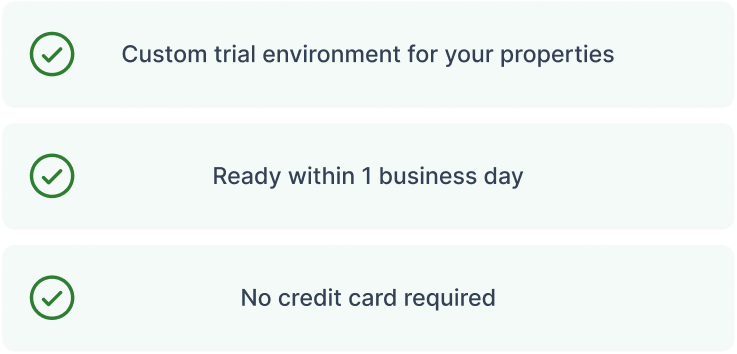
We offer a demo version (non-branded) for testing the experience.
Expense Display and Sorting Policy (FAQs)
1. What date is shown against each expense in the system?
A:The system displays the payment date of the expense. If the payment hasn’t been made yet, the date field is left blank.
2. What happens if no payment date is available for an expense?
A:If a payment date is not provided, that expense is automatically listed at the top of the expense sheet to ensure it’s not overlooked.
3. How are expenses sorted in the sheet?
A:Expenses are sorted in ascending order by payment date. Blank (unpaid) expenses are always shown at the very top before any dated entries.
4. Why are expenses without payment dates listed first?
A:This ensures visibility of unpaid or pending expenses, so they can be prioritized and resolved before finalizing reports or making financial decisions.
5. What if a payment date is later added to a previously blank entry?
A:Once a payment date is entered, the expense will automatically move to its new chronological position in the list based on that date.
6. Can I manually change the order of expenses?
A:No. The sorting is automated and always based on the payment date, with blank entries remaining fixed at the top.
7. Is there a visual indicator for unpaid expenses?
A:Typically, blank date fields or specific styling (like highlighting) are used to visually flag unpaid or pending expenses. Confirm with your sheet setup or admin.
8. What if an incorrect payment date is entered?
A:Simply update the payment date in the record — the expense will re-sort automatically to the correct position in the list.
9. Can multiple expenses share the same payment date?
A:Yes, and they will appear grouped together chronologically. The order within that date group may depend on entry time or another secondary sort rule (e.g., category or vendor).
10. What’s the benefit of this sorting method?
A:This structure ensures financial clarity by:
- Keeping pending expenses top-of-mind
- Maintaining a clean, chronological trail of paid expenses
- Simplifying audit and review processes
Can I set up a storage property listing on Haletale?
Yes. Haletale supports full setup and management of storage property listings. When creating a new property (or modifying an existing listing), simply select Storage Property as the type. This unlocks fields tailored for storage units, warehouses, and self-storage facilities.
During setup, you will be able to:
- Specify unit size, climate control (heated or non-heated), and access hours
- Define pricing, minimum rental duration, and billing frequency
- Add details about security features, loading docks, and parking availability
- Upload images, add a video link, and configure guest access instructions
- Set rules, policies, and custom visibility options for your listing
Once published, your storage property will appear in a format optimized for renters seeking secure, accessible, and well-documented storage solutions.
Where can I find the Management Fees feature in Haletale?
You can access the Management Fees feature under the Accounting section of your Haletale dashboard.
- Log in to Haletale
- From the left-hand menu, click Accounting
- In the dropdown, select Management Fees
Here you can view, edit, and bulk-generate management fees for all properties.


What information is displayed for each property in the Management Fees tab?
For every property, you’ll see:
- Management Fee Amount (based on commission rate)
- Tax Amount (if applicable)
- Total Fee (management fee + tax)
- Date Applied
- Automatic accounting transactions are ready for posting
Once you confirm and submit the fees, Haletale automatically creates the related accounting transactions for each property—saving you the step of entering them manually.
Before finalizing, you can review all calculated amounts in the dashboard and make any necessary edits. You stay in control while still reaping the benefits of automation.
How do I access Rent Payout?
Log in to your Haletale account → go to Accounting → select Rent Payout. From there, you can choose the month, select the property, review the breakdown, create a transaction, and submit.
You can select multiple properties for the chosen month, and Haletale will calculate the payout breakdown for each.
After reviewing the payout breakdown, you must create a Transaction and submit it to finalize and record the payout.
How to Generate Management Fees under the Management Fee Feature
- In the Management Fees dashboard :
- Choose the month, property status, and invoice status.
Step 1: Select a monthChoose the month for which you want to view or generate management fees. This ensures that the system shows you only the relevant data for that specific billing cycle.
Example: If you select January 2025, the platform will display properties and homeowners for that month’s fee processing.
Step 2: Select property statusFrom the displayed list of properties, select the rows (i.e., properties) for which you want to generate fees and select their current status as it is pending, approved or others. You can enter or update the management fee amount and apply the correct tax type.
Step 3: Select invoice statusThen the last step is to select the invoice status, which you can select by clicking on the invoice tab. You can only select the paid or select all.
- Click Search to load properties for that billing cycle.
Review fee amounts, make edits if needed, then click Submit and Generate Fees.
Result: The system will automatically calculate the management fee + tax amount and generate the total fee for each property.
- Choose the month, property status, and invoice status.

What happens if I grow beyond 500 or 1,000 units?
We offer scalable pricing and infrastructure to support growth seamlessly.
How many units can Haletale handle?
We support portfolios ranging from 50 to 2,000+ units.
Will I get training for my team?
Yes, 10 live training sessions are included, with more available upon request.
Does Haletale integrate with QuickBooks?
Yes, we offer full bi-directional QuickBooks integration.
How do I access the View Invoice page?
Go to Accounting → Invoices, locate your invoice, click the ⋮ (three-dots) menu, and select View Invoice.It’s view-only to prevent accidental changes, but you can enter edit mode with one click.
Is there an open API for custom integrations?
Yes, our platform supports API-based customizations.
Is the trial version customized to my region or property type?
No, the trial version will be a non customizable platform access for you to get the look and feel of the platform.
What support is available during setup?
Our onboarding includes setup, training, and implementation support.
How to download all invoices in CSV.
Once you’re logged into your Haletale dashboard, head over to the Accounting tab on the left-side menu. You can see the invoice and the receipts tab. This section includes a complete overview of your Invoices and Receipts.
From here, you can find the top-right corner of the screen. You’ll see a Download as CSV button right next to the red Delete button and the blue Create A New button. Select one or all files and click Download as CSV to instantly generate a spreadsheet of all the invoices listed on your current view.
Can I edit the invoice from the View Invoice page?
Yes. Click the ⋮ menu at the top-right of the View Invoice page and select Edit to make changes instantly.You can also record the payment by clicking on the “Record payment”.Once you record a payment, the outstanding balance updates in real-time.